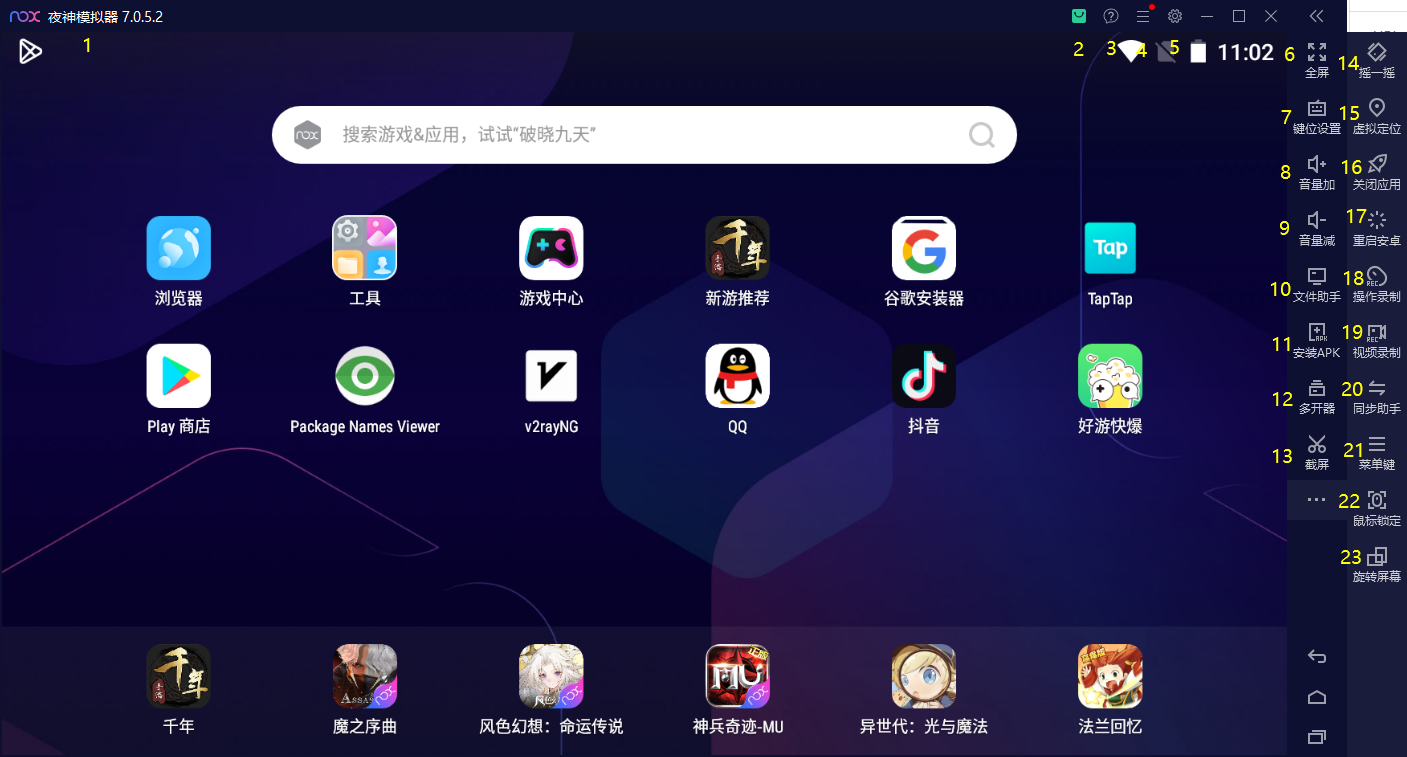
Retro game emulators are software applications designed to replicate the hardware environment of vintage video game consoles, computers, and handheld devices. By emulating the original system's central processing unit (CPU), graphics processing unit (GPU), audio chips, and input controllers, these programs enable modern computers, smartphones, and even modern gaming consoles to run classic games from decades past. The primary goal is to preserve and make accessible a vast library of retro titles that might otherwise be lost to time or hardware obsolescence.
The concept of retro game emulation emerged in the late 1990s, driven by hobbyists and enthusiasts seeking to play games from systems like the Nintendo Entertainment System (NES) and Sega Genesis on personal computers. Early emulators were rudimentary, often lacking full compatibility or accurate hardware emulation. However, as computing power increased and open-source development gained traction, emulators evolved into sophisticated tools capable of running thousands of titles with high fidelity. Key milestones include the release of MAME (Multiple Arcade Machine Emulator) in 1997, which set a standard for arcade game emulation, and subsequent projects that expanded to home console platforms.
At their core, retro emulators function by translating the original system's instruction set into commands that modern hardware can understand. This involves complex processes such as CPU emulation, where the emulator mimics the behavior of a 8-bit or 16-bit processor, and GPU emulation, which recreates the rendering capabilities of old graphics chips. Audio emulation is equally critical, as it reproduces the unique sound characteristics of systems like the Game Boy's monaural speaker or the SNES's 16-bit audio. Advanced emulators also support features like save states, which allow players to pause and resume games at any point, and cheat codes, enhancing accessibility for both casual and hardcore gamers.
Compatibility is a defining feature of retro emulators, with most modern versions supporting a wide array of systems, including NES, SNES, Sega Genesis, Game Boy, PlayStation, and even vintage home computers like the Commodore 64. Many emulators are open-source, meaning developers worldwide contribute code, patches, and improvements, leading to rapid updates and fixes for compatibility issues. This collaborative approach ensures that new titles and hardware revisions are quickly supported, and community-driven projects like "retroarch" (a frontend for multiple emulators) have further streamlined the user experience by integrating multiple systems into a single interface.
For users, retro emulators offer a blend of nostalgia and modern convenience. High-resolution rendering techniques, such as "high definition" or "enhanced" modes, upscale old pixel art to modern displays, improving visual clarity while retaining the original aesthetic. Audio enhancements, including re-mastering and surround sound support, bring back the rich soundscapes of classic games. Additionally, modern emulators are optimized for contemporary hardware, running smoothly on high-end PCs, laptops, and even mobile devices, making retro gaming accessible to a broader audience than ever before.

Beyond personal enjoyment, retro emulators play a vital role in digital preservation. Many classic games are no longer commercially available, and their original hardware is increasingly rare. Emulators ensure that these titles remain playable, preventing them from being lost to hardware obsolescence. This is particularly important for games that hold cultural significance, such as iconic titles like "Super Mario Bros." or "The Legend of Zelda," which have shaped the video game industry and continue to influence modern game design.
Despite their success, retro emulators face ongoing technical challenges. Emulating complex systems like the PlayStation 2 or Nintendo 64 requires immense computational power, and some titles remain incompatible due to hardware-specific features. However, advancements in emulation technology, including better CPU and GPU models and improved memory management, continue to expand compatibility. Future developments may focus on even more accurate hardware emulation, support for newer platforms, and integration with cloud gaming services, further blurring the lines between retro and modern gaming.